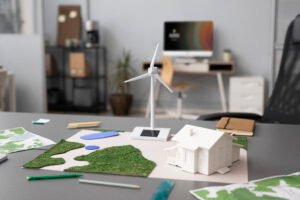

A residence can evoke a sense of ease and well-being the moment one enters, or it can feel discordant and uncomfortable. These immediate impressions are not merely subjective; they arise from a constellation of design decisions: spatial organization, light, materials, ventilation, and detailing executed with varying degrees of rigour. In emerging urban contexts such as Bangalore, where new developments proliferate rapidly, distinguishing between thoughtful design and superficial aesthetics is essential for long-term comfort and value.
This article examines the foundational design principles that make some homes feel exceptional. It is intended for homeowners, architects, interior designers, and construction professionals who wish to understand the mechanisms behind successful residential environments. References to professional services such as Interior Design Services Bangalore, reputable Architecture and construction company in Bangalore practices, and experienced Residential Construction Company in Bangalore teams are included to illustrate how multi-disciplinary collaboration produces enduring results.
The Primacy of Natural Light
Natural light is a critical determinant of how a space is perceived and experienced. It influences visual comfort, colour rendition, thermal performance, and the psychological atmosphere of rooms.
- Strategic window placement. Windows should be positioned to illuminate primary activity zones while minimizing glare and heat gain. Consideration of solar orientation during the design phase yields spaces that are bright yet thermally comfortable.
- Skylights and clerestories. In deep-plan layouts, vertical daylighting devices introduce diffuse light into central areas without compromising privacy. Proper detailing prevents heat ingress and moisture issues.
- Controlled openness. Open plan arrangements permit daylight to penetrate further into the plan; however, zoning devices such as partial screens or furniture placement preserve functionality without obstructing light paths.
Intentional daylighting design reduces reliance on artificial illumination and enhances the perceived quality of finishes and colours.
Spatial Planning and Functional Zoning
A well-planned home accommodates activities with clarity and minimal friction. Spatial planning must prioritise circulation, adjacency, and adaptability.
- Circulation hierarchy. Primary routes should be concise and unobstructed, while secondary paths may afford transition spaces or storage. Reducing unnecessary travel distances improves daily efficiency.
- Room adjacencies. Kitchens, dining areas, and service zones benefit from close proximity; private bedrooms should be separated from noisy or high-traffic areas. Effective adjacency planning supports both social and private functions.
- Flexibility. Contemporary living demands versatility: rooms that can adapt from workspace to guest accommodation extend the functional lifespan of a home. Movable partitions, built-in storage, and multi-purpose furniture support adaptability.
Thoughtful space planning anticipates routine movement patterns and the potential for future changes, thereby preventing the sense of disorder that often underlies a “meh” impression.
Colour, Materiality, and Sensory Coherence
Colour and material choices exert a powerful, often subconscious, influence on mood and perceived quality.
- Colour psychology. Cooler tones generally evoke calmness and are suited to rest areas; warmer hues foster sociability in communal spaces. A coherent palette creates visual continuity and reduces cognitive load.
- Material tactility. Tactile qualities such as the warmth of timber, the coolness of stone, or the texture of textiles contribute to the sensory richness of interiors. Materials should be selected for durability as well as aesthetic harmony.
- Finish coordination. Consistency in finish levels and detailing (for example, trim dimensions, grout lines, and junctions) signals workmanship and elevates the overall experience.
Testing palettes and material samples in situ, under the site’s light conditions, mitigates the risk of unanticipated visual or tactile discordance.
Functional Interiors: Ergonomics and Furniture Layout
Comfortable homes balance aesthetic intent with pragmatic ergonomics.
- Proportion and scale. Furniture must be sized to the room; oversized pieces compress space while undersized items appear insignificant. Proper scale facilitates comfortable movement and appropriate visual weight.
- Circulation clearances. Maintain clearances that permit unimpeded movement: typically 75–90 cm in primary living zones and appropriate allowances around seating and dining arrangements.
- Storage integration. Integrated storage reduces visible clutter and preserves spatial calm. Well-placed storage adjacent to functional zones (entrances, kitchens, bathrooms) reduces friction in daily routines.
A layout that respects human dimensions and activity patterns communicates care and usability, two qualities that make a home feel inherently right.
Ventilation, Thermal Comfort, and Indoor Air Quality
Environmental performance is inseparable from perceived comfort.
- Cross-ventilation strategies. Designing opposing openings facilitates natural airflow, which helps regulate temperatures and refresh indoor air without mechanical systems.
- Thermal control. Insulation, shading devices, and appropriate glazing selections moderate heat gain in warm climates and retain warmth where necessary, improving occupant comfort and energy efficiency.
- Air quality considerations. Specifying low-emission materials, providing adequate exhaust in wet areas, and ensuring accessible HVAC maintenance support long-term health and comfort.
Homes that perform well environmentally feel more comfortable and are less likely to incur maintenance issues that degrade inhabitant experience.
Durability and Maintenance-Aware Specification
The long-term feel of a home is strongly influenced by the durability of its components and the ease with which they may be maintained.
- Robust flooring and finishes. High-traffic zones should receive materials that resist wear and are straightforward to repair or replace, such as engineered timber, stone, or quality ceramics.
- Sustainable, low-VOC products. These reduce indoor pollutants and prolong the time before finishes degrade in appearance or performance.
- Serviceability. Design details that permit access to concealed systems (plumbing, electrical junctions) reduce the incidence of intrusive repair work that can compromise the integrity of interiors.
Specifying for longevity avoids the visual and functional deterioration that causes dwellings to feel tired or neglected.
Common Design Shortcomings and Remedies
Several recurring issues undermine the experience of domestic spaces; addressing them at the design stage prevents later dissatisfaction.
- Inadequate lighting design. Relying on a single overhead fixture flattens spaces; layered lighting (ambient, task, accent) produces both utility and atmosphere.
- Insufficient storage. The absence of purpose-designed storage results in clutter and diminishes perceived space quality. Build storage into architecture rather than treating it as an add-on.
- Poor acoustic planning. Hard surfaces can amplify unwanted noise; strategic use of soft finishes and absorptive materials improves acoustic comfort.
Corrective strategies are most effective when integrated early in the project lifecycle.
The Role of Professional Collaboration
Delivering a home that consistently feels exceptional requires coordinated expertise. Interior designers, architects, structural and MEP engineers, and experienced construction teams must collaborate from inception through execution.
- Early engagement of designers. Involving interior designers and architects during site selection and schematic design secures better daylighting, spatial organisation, and material coordination.
- Integrated delivery. Firms offering comprehensive Interior Design Services Bangalore or combined Architecture and construction company in Bangalore capabilities often streamline decision-making and accountability.
- Quality construction partners. A competent Residential Construction Company in Bangalore ensures that detailing, tolerances, and finishes are realised to the intended standard.
The integration of design and construction expertise reduces mismatches between concept and reality and increases the likelihood of an outstanding outcome.
Conclusion
A home that feels exceptional is the product of deliberate design choices applied with discipline and foresight. Natural light, spatial logic, considered materials, environmental performance, and meticulous execution each contribute to the intangible sense of comfort that inhabitants recognise immediately. For projects in dynamic urban regions, engaging competent design and construction professionals early including Interior Design Services Bangalore, established Architecture and construction company in Bangalore practices, and reputable Residential Construction Company in Bangalore teams is the most reliable path to creating residences that endure both in function and in feeling.