
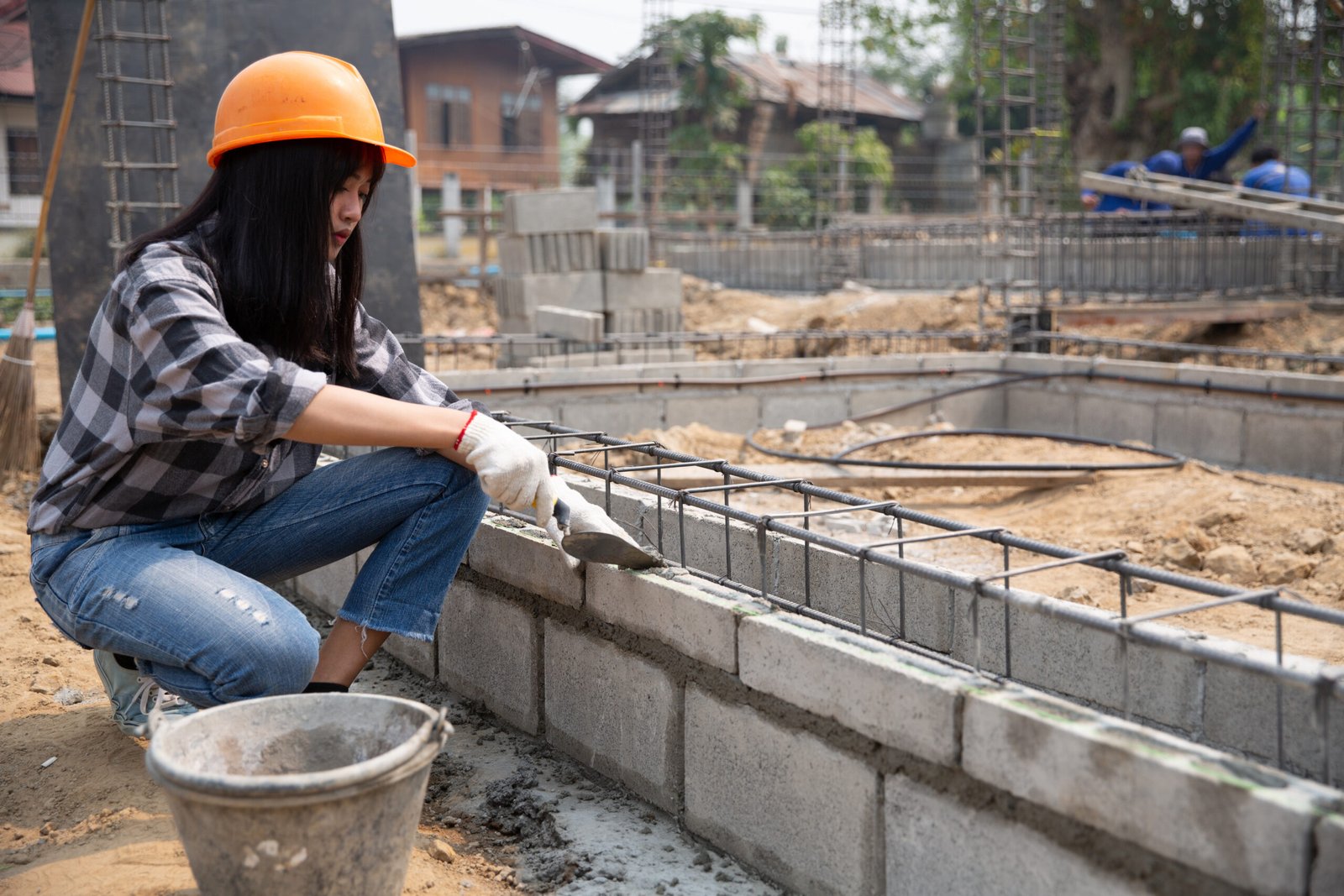
Building your dream home is one of the most exciting milestones in life. For many families in Bangalore, it represents years of planning, saving, and imagining the perfect place to live. From envisioning a spacious living room to planning a peaceful balcony where you can enjoy your morning coffee, the journey begins long before construction workers arrive on-site.
However, many first-time homeowners assume that building a house simply starts with construction. In reality, a large portion of the work happens before the first brick is ever laid. Proper planning, approvals, budgeting, and design decisions are crucial steps that determine whether your project runs smoothly or turns into a stressful and expensive experience.
One of the most common mistakes people make is rushing into construction without proper preparation. Issues such as unclear budgets, poor layout planning, or missing government approvals can lead to delays and additional costs. That is why many homeowners prefer working with a Residential Construction Company in Bangalore that understands the entire process and can guide them through every stage.
In this guide, we’ll walk you through everything that happens before construction begins from evaluating your plot to finalizing designs and getting approvals so you can approach your home-building journey with confidence and clarity.
Step 1: The Dream Phase – Turning Ideas Into Plans
Every house begins with a dream. Most homeowners start by collecting ideas from sources like Pinterest, Instagram, YouTube, or home design magazines. You might save photos of modern kitchens, open living spaces, elegant staircases, or cozy bedrooms that inspire you.
While gathering inspiration is fun, the real challenge is turning those ideas into a functional and practical home design. What looks beautiful online may not always suit your plot size, budget, or lifestyle. For example, a large open layout might not work well on a smaller plot, or certain materials may not be suitable for Bangalore’s climate.
This is where professional guidance becomes important. An experienced Architecture and construction company in Bangalore can help translate your ideas into realistic architectural plans. Architects and planners consider several factors during this stage:
- The size and shape of your plot
- Local building regulations
- Natural light and ventilation
- Efficient use of available space
- Structural safety
- Budget limitations
Professionals also help create concept drawings, floor plans, and 3D visualizations, allowing you to see how your home will look before construction even begins. This step ensures that your dream home is not just beautiful but also practical and sustainable.
Step 2: Plot Evaluation (Yes, Even Land Has Problems)
Many homeowners assume that once they buy a plot of land, they can start building immediately. However, every plot has unique characteristics that must be evaluated before construction begins.
A detailed plot evaluation helps identify potential issues early, saving time and money later.
Soil Testing
Soil testing is an important step in determining the strength and stability of the ground. Different types of soil require different foundation designs. For example, loose or clay-heavy soil may need deeper foundations or additional structural support.
Skipping soil testing can lead to serious structural problems in the future, including cracks or foundation instability.
Plot Orientation
The direction your plot faces can influence several aspects of home design. Orientation affects:
- Natural lighting
- Heat levels inside the house
- Ventilation
- Energy efficiency
A well-oriented home can stay cooler in the summer and brighter during the day, reducing electricity usage.
Road Access
Another important factor is road access. The entry point of your plot determines how vehicles, materials, and workers will reach the construction site. It also affects driveway design and parking space planning.
Drainage Considerations
Poor drainage can cause water accumulation around the building, especially during heavy rains. Proper site planning ensures that water flows away from the foundation, protecting the structure from long-term damage.
This stage often involves professionals offering Construction Consultancy Services to evaluate all technical aspects of the land before the project moves forward.
Step 3: Designing the Perfect Layout
Once the plot evaluation is complete, the next step is designing the layout of your home. This is where your dream truly begins to take shape.
A good layout is not just about placing rooms randomly. It involves careful planning to ensure comfort, convenience, and efficient use of space.
Room Planning
The layout should reflect your family’s lifestyle. For example:
- Families who entertain guests often may prefer larger living rooms.
- People who work from home may need a dedicated office space.
- Families with elderly members may need bedrooms on the ground floor.
The goal is to design spaces that make daily life comfortable and practical.
Ventilation
Good airflow is essential for maintaining a healthy indoor environment. Proper placement of windows, vents, and open spaces ensures fresh air circulation throughout the house.
Cross-ventilation also reduces the need for artificial cooling, which helps lower electricity bills.
Natural Light
Natural lighting can transform the feel of a home. Rooms with good sunlight appear brighter, more spacious, and more welcoming. Architects carefully plan window placement to maximize daylight while minimizing heat gain.
Future Expansion
Many homeowners forget to plan for the future. A well-designed house should allow for possible expansions such as:
- Adding another floor
- Creating an extra bedroom
- Expanding living areas
Planning for future needs during the design stage avoids expensive structural changes later.
Step 4: Budget Planning (Where Reality Enters the Chat)
Dream homes are exciting, but budgets play a major role in determining what is actually possible. Without proper budgeting, construction projects can quickly exceed planned costs.
Budget planning helps homeowners understand exactly where their money will be spent.
Cost Estimation
A detailed cost estimate usually includes:
- Construction materials
- Labor charges
- Architectural design fees
- Structural engineering costs
- Electrical and plumbing systems
- Interior finishing
Having a clear estimate allows homeowners to plan finances and avoid unexpected expenses.
Material Choices
Different materials have different costs and durability levels. For example:
- Premium tiles cost more but offer better durability and aesthetics.
- Standard materials may be more affordable but might require replacement sooner.
Choosing the right materials involves balancing quality, appearance, and budget.
Hidden Costs
Many first-time builders underestimate hidden costs such as:
- Government approval fees
- Site preparation
- Temporary utilities
- Landscaping
- Interior design work
Proper financial planning ensures that the project stays within budget while maintaining quality.
Step 5: Government Approvals & Documentation
Before construction can begin, several government approvals and legal documents must be completed. This step ensures that your building follows local laws and regulations.
BBMP or BDA Approvals
In Bangalore, residential building projects usually require approvals from local authorities such as:
- BBMP (Bruhat Bengaluru Mahanagara Palike)
- BDA (Bangalore Development Authority)
These authorities review building plans to ensure they comply with zoning rules, height restrictions, and safety standards.
Legal Clearances
Legal verification ensures that the land ownership is clear and there are no disputes related to the property. Important documents may include:
- Title deed
- Encumbrance certificate
- Property tax records
Building Permits
Once plans are approved, building permits are issued, allowing construction to begin legally.
Without proper approvals, construction can be halted, fined, or even demolished. This is why many homeowners rely on professionals who offer Construction Consultancy Services to handle the documentation process smoothly.
Step 6: Selecting the Right Professionals
Choosing the right professionals can make or break your home-building experience. Building a house involves multiple experts working together, including architects, structural engineers, contractors, and project managers.
Working with a trusted Residential Construction Company in Bangalore offers several advantages:
- Professional project management
- Accurate cost planning
- Quality construction standards
- Timely project completion
- Compliance with local regulations
An experienced Architecture and construction company in Bangalore coordinates all aspects of the project, ensuring that design, engineering, and construction work together seamlessly.
This reduces the risk of errors, delays, and costly changes during the construction phase.
Step 7: Timeline Planning
A realistic timeline helps homeowners understand how long the entire project will take. While every project is different, most residential construction projects follow a general timeline.
Design Phase
The design phase usually takes several weeks to a few months depending on the complexity of the project. During this time, architects finalize floor plans, elevations, and structural drawings.
Approval Phase
Government approvals and documentation can take additional time. The duration varies depending on the location, authority requirements, and completeness of submitted documents.
Construction Phase
Once approvals are received, construction begins. The timeline depends on factors such as:
- House size
- Weather conditions
- Availability of materials
- Labor scheduling
Proper planning ensures that each stage moves forward efficiently without unnecessary delays.
Common Mistakes First-Time Builders Make
Building a house for the first time can be overwhelming, and many homeowners make mistakes that lead to higher costs or design issues.
Changing Designs During Construction
Making major design changes after construction begins can disrupt the project and increase expenses. Finalizing the design before starting construction is always the best approach.
Choosing the Cheapest Contractor
While saving money is important, choosing the lowest-cost contractor without evaluating quality and experience can lead to poor workmanship and long-term problems.
Ignoring Ventilation and Drainage
Ventilation and drainage are often overlooked but are essential for maintaining a comfortable and durable home. Poor planning can result in damp walls, poor air quality, and structural damage over time.
Avoiding these mistakes can make the construction process smoother and more enjoyable.
Conclusion
Building a house in Bangalore is an exciting journey, but it requires careful planning before construction even begins. From evaluating your plot and designing the layout to budgeting and obtaining approvals, every step plays a crucial role in ensuring a successful project.
Taking the time to plan properly helps avoid costly mistakes, construction delays, and design issues later on. With the right preparation and expert guidance, the process becomes much more manageable and enjoyable.
Working with experienced professionals, such as a reliable Residential Construction Company in Bangalore, ensures that your project is handled with expertise from start to finish. With support from a trusted Architecture and construction company in Bangalore and professional Construction Consultancy Services, you can confidently move from the dream phase to the moment when the first brick of your dream home is finally laid.
Your dream home starts long before construction begins and with the right planning, that dream can become a beautiful reality.